Chinese Brick MOC Instructions: A Builder's Resource Guide
Chinese brick brands have moved fast over the past few years: more labels, wider subject matter, friendlier prices, and a steady stream of new builders arriving. Instructions, though, haven't kept the same pace. Even a great parts haul won't turn into a model without a buildable plan, which is why a solid collection of Chinese brick MOC instructions has become essential kit. This is not a link list — it's the filing method I use for the instructions I collect and actually build from.
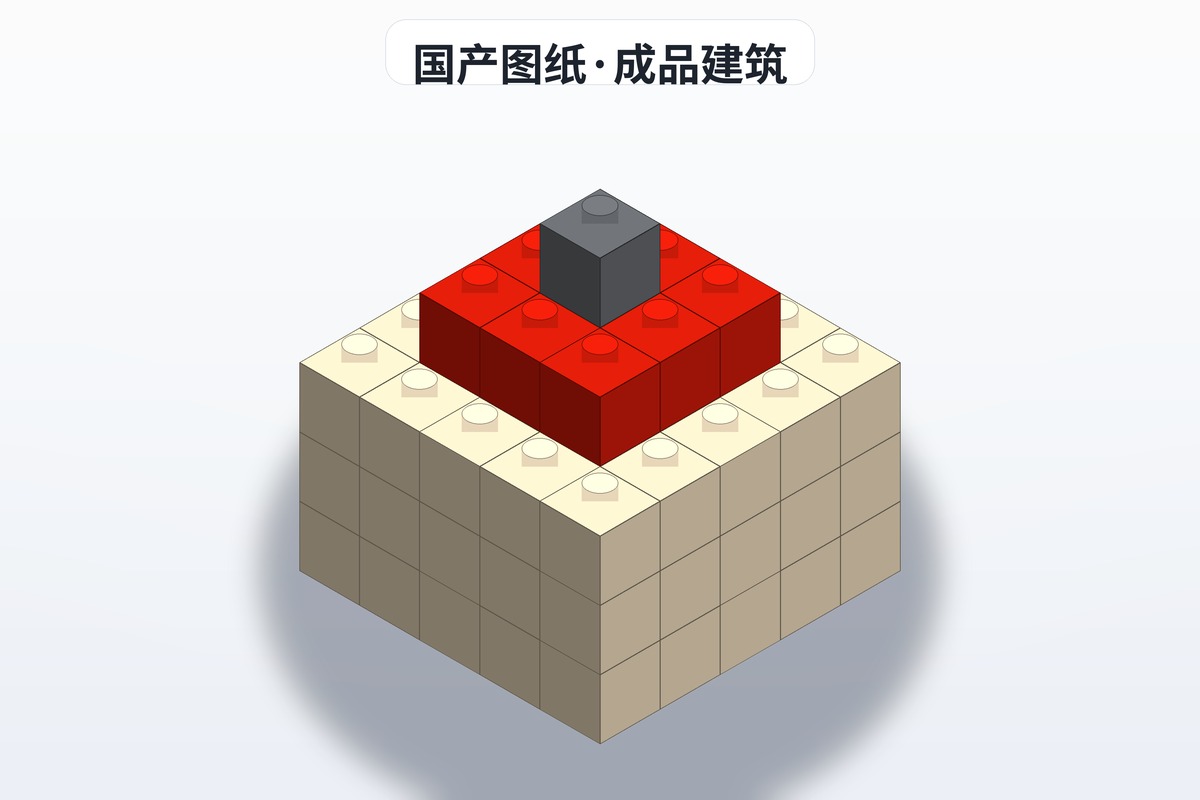
Where the Instruction Files Actually Live
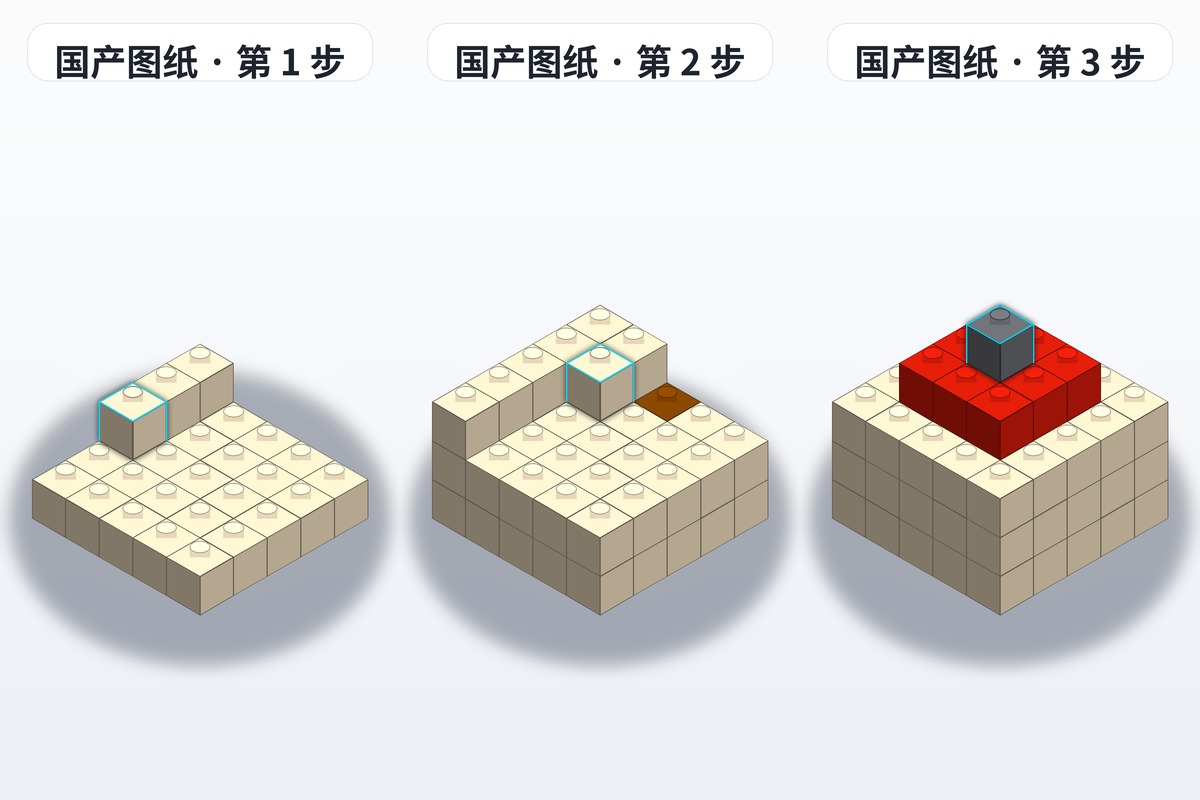
Before you can assemble a proper collection of Chinese brick instructions, you need to know where the files come from. There are three broad channels worth checking.
The first is dedicated instruction-sharing communities, such as https://brickplan.cn, where files are sorted by subject matter and searchable without much digging. The second is official brand channels — a fair number of Chinese manufacturers release some of their own instructions for free, so it is worth checking a brand's own pages before hunting elsewhere. The third is player-made MOC instructions, which tend to be scattered across forums and social platforms with no central index.
Once you pull files from all three channels into a single place, that becomes your personal instruction library. The point is consolidation: one folder tree you know your way around, rather than a dozen browser bookmarks you'll never revisit.
Sort by Theme and Build Your Own Library
A pile of downloaded files is not a library. Sorting it is what makes it usable, and theme is the most practical first cut. I keep separate folders for architecture and street scenes, military vehicles, technic and mechanical builds, anime characters, and animals and plants — one folder per theme. Whatever subjects you actually build, the same logic applies.
The second layer is difficulty. Inside each theme I tag files as either beginner-friendly or an advanced challenge, so I can pick something that matches the evening I have rather than opening a file and finding out the hard way. When a specific subject takes your fancy, you go straight to that folder and choose, which is far faster than scrolling one enormous list.
One habit worth building early: save the parts list alongside the instruction file. When you later go looking for a specific piece, or you're checking whether you already own enough to start, having the list in the same folder saves a lot of backtracking.
How to Judge Whether an Instruction File Is Usable
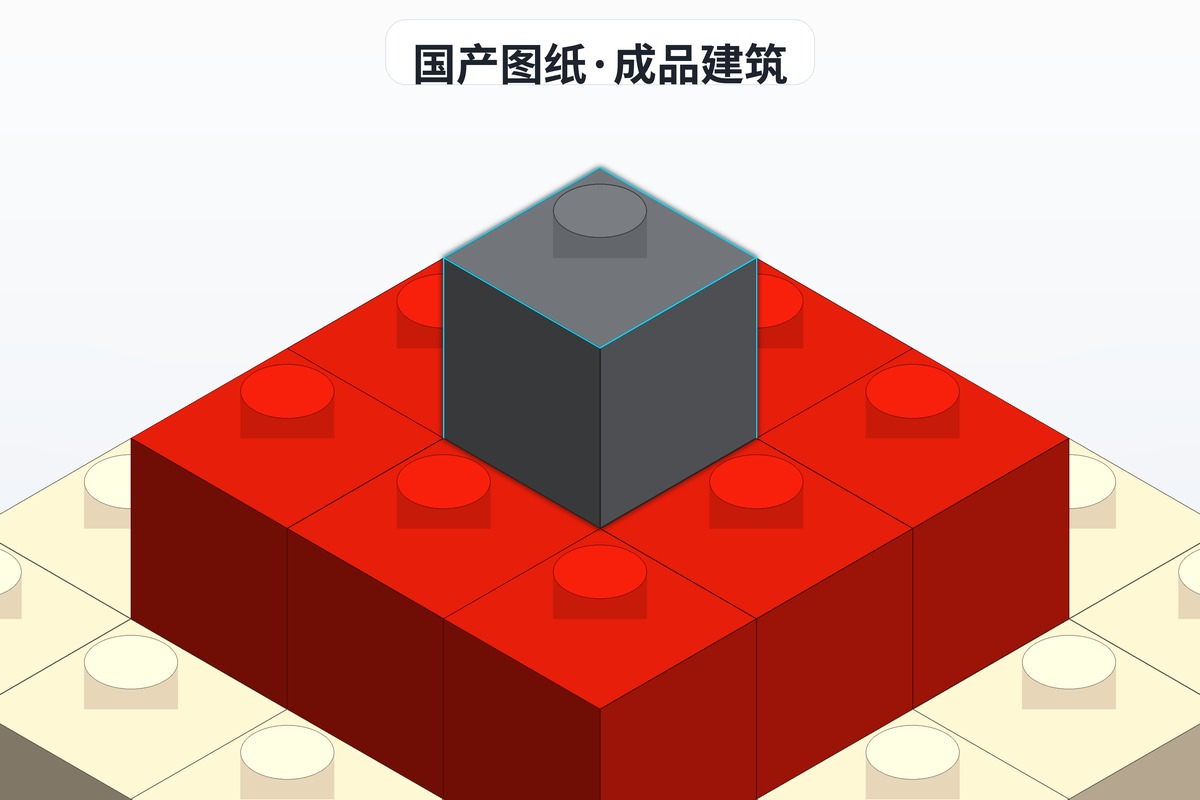
The most common trap when collecting Chinese brick instructions is a file that is incomplete, or whose parts list doesn't match what the model actually needs. A few checks catch most of it.
Look at whether the step images are clearly broken down, and whether key structures come with an exploded or detailed explanation rather than a single vague picture. Look at whether the parts list gives both element numbers and quantities — a list with quantities but no numbers is hard to order from. And if the file has any builder feedback attached, read it; real builds are the fastest way to find out that a step doesn't work as drawn.
There is also a compatibility question that matters specifically for Chinese instructions. Many Chinese part numbering systems are not interchangeable with those of mainstream brands, so before you download, confirm which parts system the file is written against. Getting that straight up front removes a whole category of trouble later, when you're trying to turn a list of numbers into an actual order.
Part Compatibility and Printing Tips
Once you've pulled a file out of your instruction collection, part compatibility is the next thing to settle. Most Chinese bricks are compatible with mainstream standard elements, so ordinary bricks, plates, tiles and slopes are rarely a problem. Individual special pieces are where you need to pay attention — motors and unusual curved parts in particular are worth checking for fit before you commit to a build.
If you want a paper copy, A4 is the sensible default. The critical detail is the scale setting: print at the wrong scale and the drawings drift out of proportion, which means the model on the page no longer matches the model in your hands and steps stop lining up. If you're reading a digital copy instead, zoom in on the dense areas. Enlarging the detail is the cheapest way to avoid misreading a placement and having to undo three steps.
Wrapping Up
The value of a good Chinese brick instruction collection lies in turning scattered resources into a library you can actually search. Find the right channels, sort by theme, check quality before you commit, and confirm parts fit — that's when the price advantage of Chinese elements really shows up in the finished model. To keep the library growing, spend time in instruction communities such as https://brickplan.cn, where new files keep arriving.