Advanced LEGO Building Techniques: Offsets, SNOT and Gears
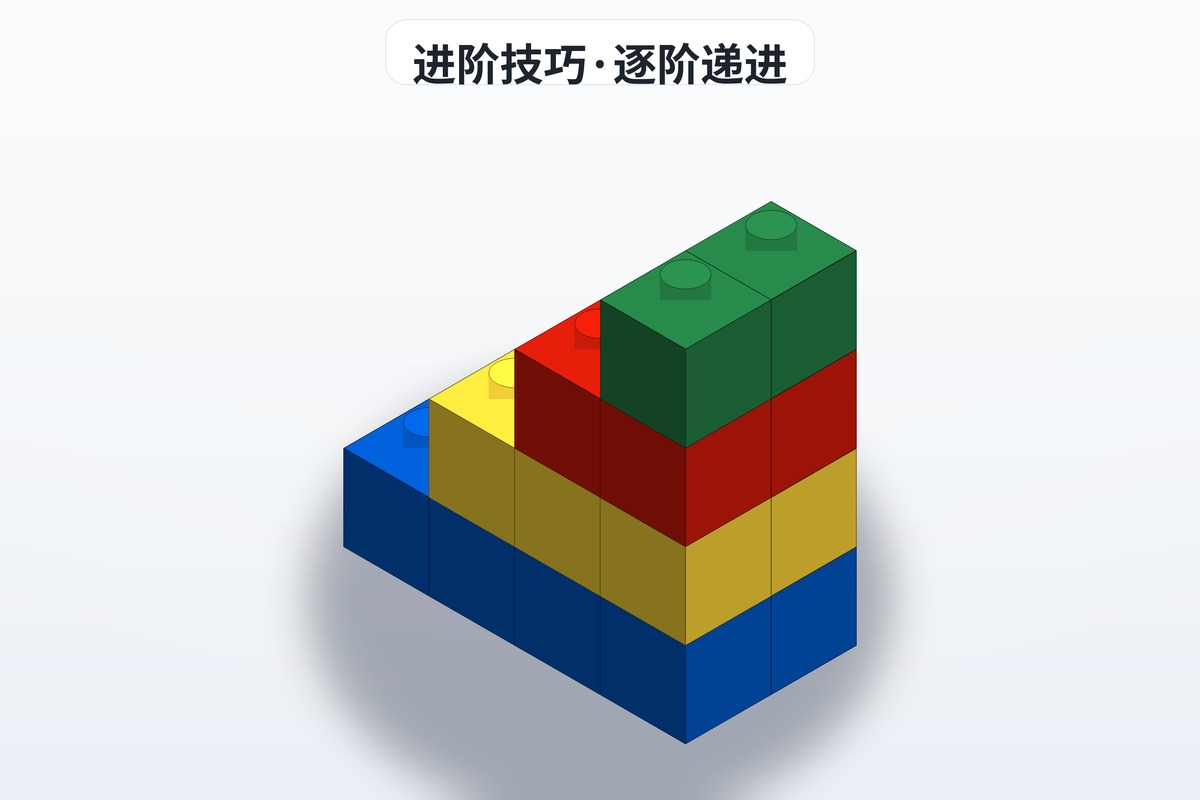
After you have built a dozen or so official sets, most people hit the same wall: the instructions get easier and easier to follow, but the model in front of you is never quite your own. The point of advanced building is not to buy a few more boxes. It is to shift from reading a manual to reading a structure — to look at a single element and know which direction it can take load. That judgment is the real dividing line.
Offset Brickwork: Walls That Actually Hold
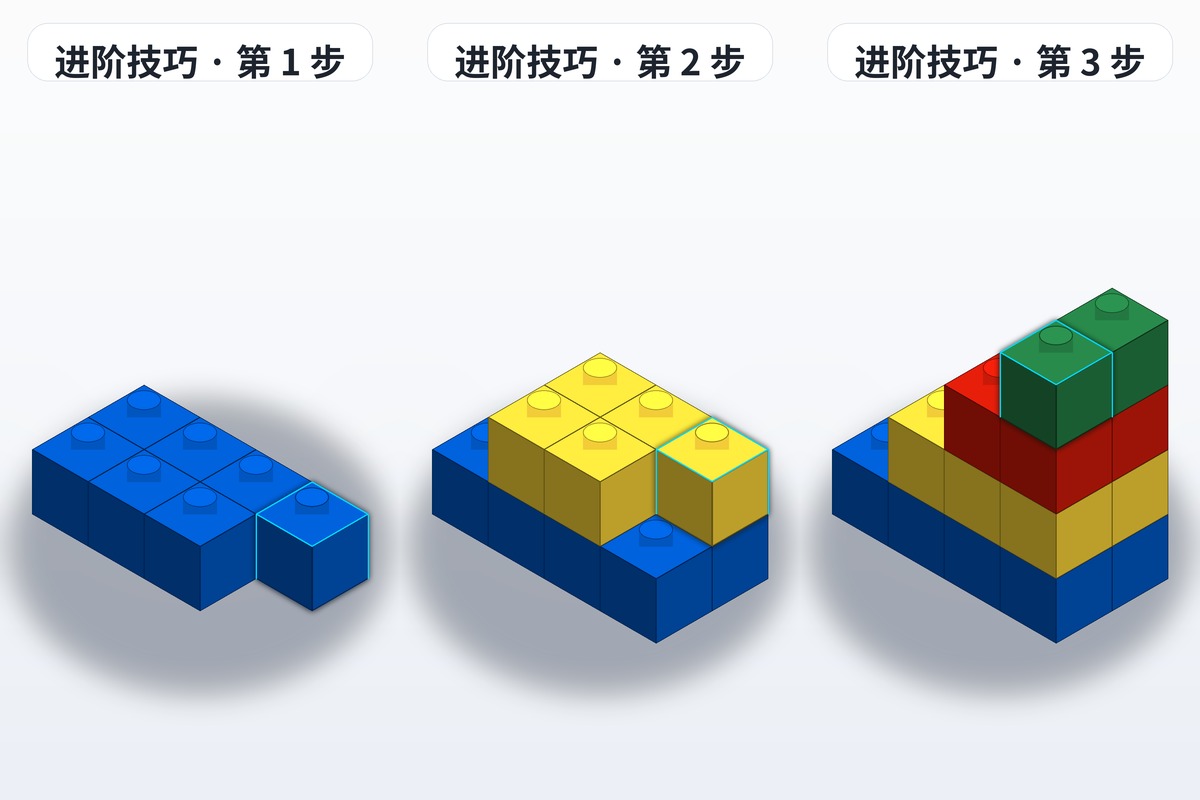
The most common beginner error is lining up every vertical seam, layer after layer. A wall built that way shows continuous vertical cracks down its face, and a little pressure takes the whole panel apart. Offset brickwork — staggering the joints — is the first lesson in structural reinforcement. Lay it like a real brick wall: shift each course half a brick sideways so neighbouring bricks bite into each other and force spreads across the whole wall instead of running down a single seam.
Once that feels natural, go a step further. Add bricks turned on their side, or bricks with technic pin holes, to act as hidden columns, and interlock them in a cross pattern at the corners. You will find that the same number of bricks, arranged differently, comes out noticeably stronger.
SNOT: Turning the Studs Sideways
SNOT stands for Studs Not On Top, and it is the signature skill of the advanced builder. Ordinary stacking only lets studs face upward, which leaves every wall face bare. Using bricks with studs on the side, direction-changing elements and specialised connectors, you can point studs left, right or even down, producing a more three-dimensional exterior that sits closer to real proportions.
Practising SNOT is not hard. Start by taking apart an official building set and picking out the non-standard, direction-changing parts. Watch how they anchor a horizontal wall panel onto a vertical frame. After you have worked through three or five examples like this, you will be flipping stud direction in your own builds without thinking about it.
Technic Elements: Making the Model Move
If bricks handle form, technic parts handle motion. Gears, axles, pins and liftarms turn a static model into a windmill that spins or a drawbridge that lifts. For an advanced builder, the building skill usually shows up in what you choose not to cram in: whether the gear ratio runs smoothly and whether an axle carries excess friction matter far more than piling on more parts.
Mechanisms also have to be combined with structural reinforcement. Transmission points concentrate force, so build a solid load-bearing skeleton first and wrap the cosmetic bricks around it afterwards. Skip that order and the model falls apart the moment anything turns.
Scale and Colour: The Aesthetics Lesson
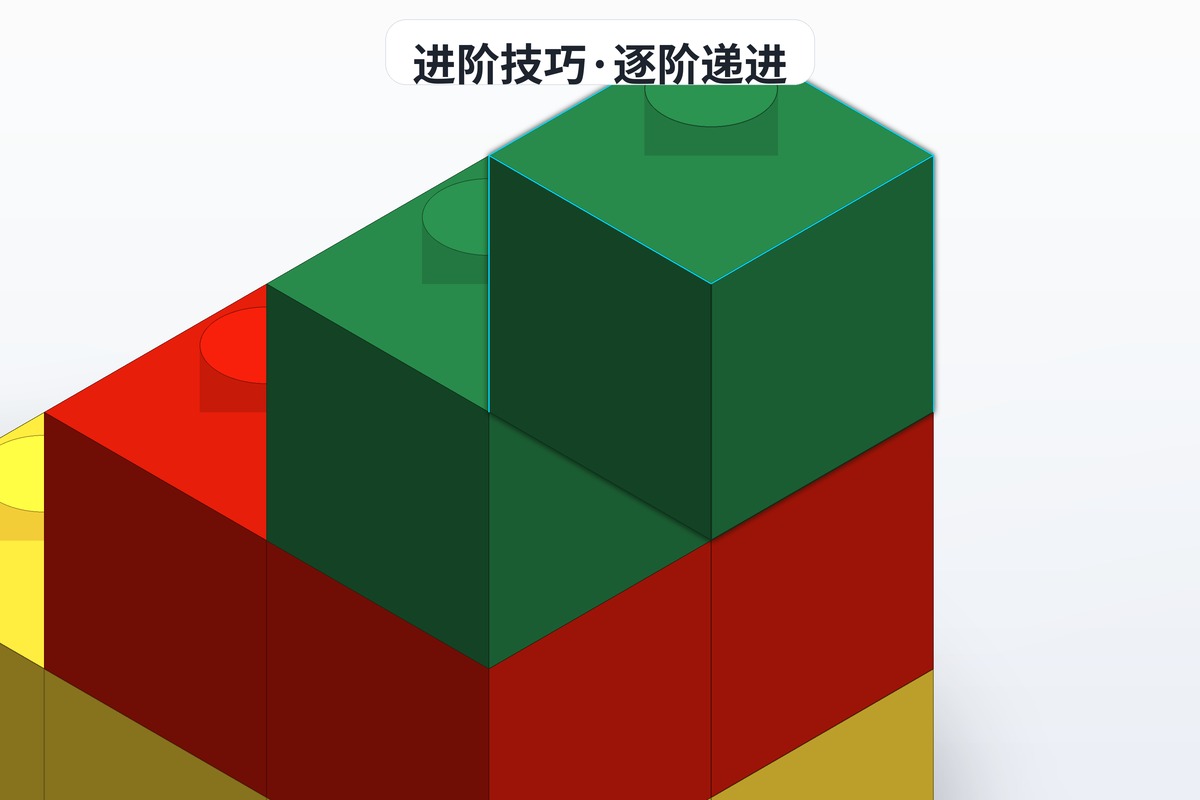
Once the technical side is solid, taste becomes the dividing line. Scale and colour are where late-stage effort pays off most. For scale, use a standard minifigure height — roughly four bricks — as your reference, and windows, doors and floor heights will stay believable. For colour, the formula that never fails is a dominant main colour over large areas, a small accent colour, and a few neutral tones to transition between them.
From Modding Official Sets to Your First MOC
With these techniques under your belt, you can start modifying official sets: add an extra floor, swap the palette, turn a static base into a moving structure. This kind of small edit is the smoothest route to a MOC (My Own Creation). You keep the mature framework the instructions gave you while exercising your own freedom to change things. Remember that a MOC does not have to start from a blank table to count. Making a good design your own is just as much of a skill.
Fewer Detours on the Way Up
There is no finish line in advanced building, but having someone point the way makes a real difference compared with feeling around in the dark. brickplan.cn carries plenty of advanced plans and step-by-step tutorials, covering everything from SNOT basics to complex mechanical structures — exactly the gap the official instructions leave open. If you want to train your building skills systematically, head to https://brickplan.cn and pick one to follow along. Next time you open a box, hopefully you will not be reproducing a manual. You will be making something of your own.