LEGO Technic Guide: Beginner to Advanced Set Picks
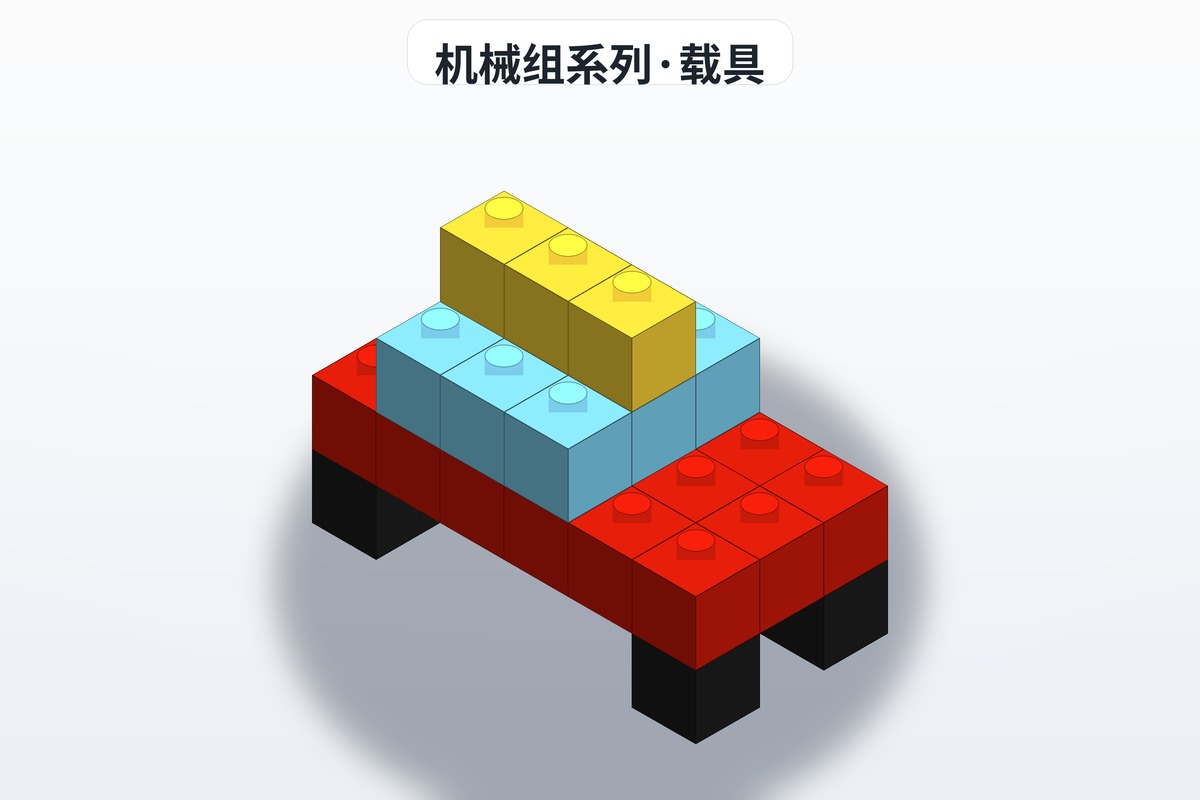
The short version: LEGO Technic launched in 1977 and uses beams with holes, gears and differentials to rebuild real machinery. The range runs from small sets for builders aged 8 and up all the way to flagship excavators with thousands of pieces — and if you want to move from following instructions to designing your own mechanisms, it is the most direct route available.
Technic is something of an outlier among brick themes. It does not win on looks; it wins on structures that actually turn. Instead of rounded, cute shapes, it packs gears, axles, universal joints and linkages into every set, putting real mechanical principles in your hands. If you are a engineering-minded builder, a machine enthusiast, or someone who wants to graduate from building to designing, this guide is worth reading end to end.
What Is the LEGO Technic Series
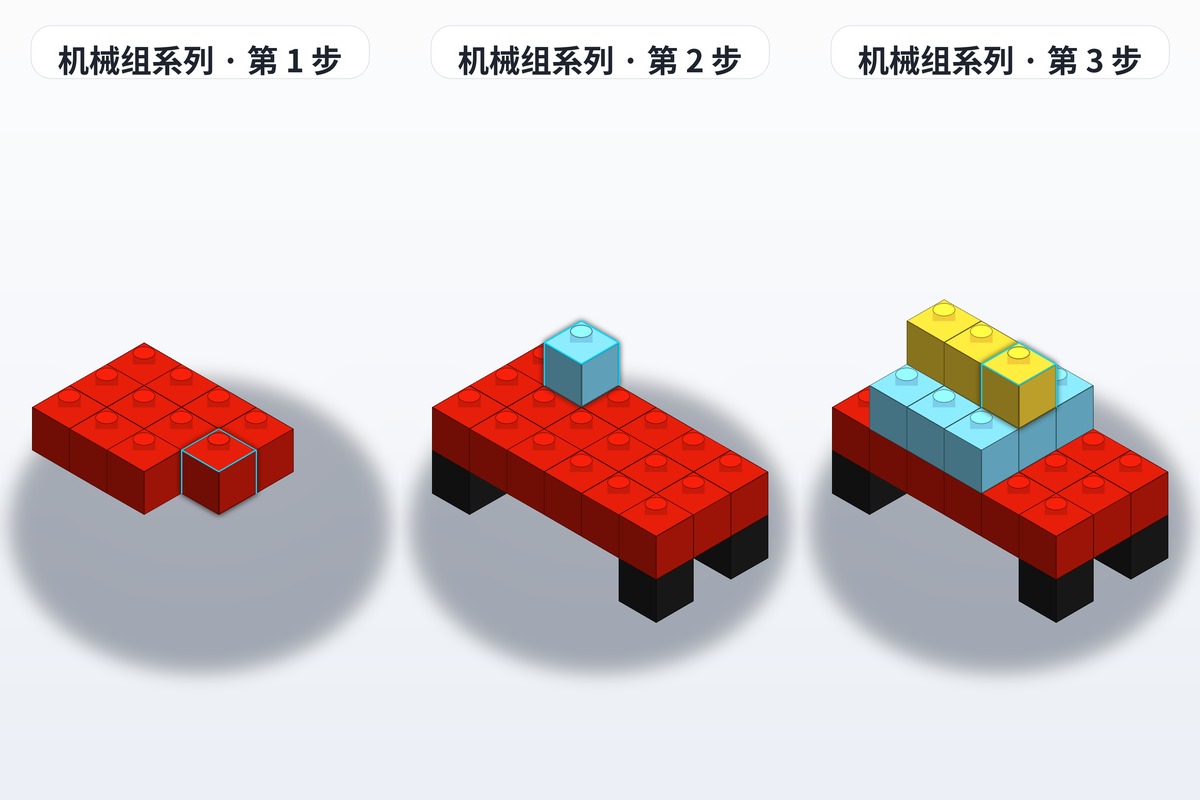
The Technic line was born in 1977 and is built around "real mechanical structure." What separates it from other themes is the parts inventory: beams with holes, gears, differentials, pneumatic cylinders and even motors. The finished model is not just something to display — it genuinely moves. From sports cars to excavators, helicopters to heavy trucks, Technic compresses the engineering world into bricks you assemble and operate yourself.
Three Things That Make Technic Special
Real Mechanical Drivetrain Structures
What wins players over is Technic's ability to reproduce real mechanics. Turn the steering wheel and the front wheels actually steer; push the car along and the pistons rise and fall. That "it moves" experience is something ordinary brick models cannot offer, and it is the main reason so many builders put Technic at the top of their recommendation lists.
Pneumatic and Motorized Play
More advanced sets often include pneumatic pumps or motor modules that enable lifting, grabbing and remote-controlled driving. From hand-powered mechanics to powered machinery, the play depth is close to unlimited — which is why the theme has stayed popular for so long.
Deep Integration With MOC Building
Technic's parts system is highly standardized. Beams, pins and gears are extremely interchangeable, which makes it a favorite parts library for MOC builders. Many fans break down several Technic sets at once and use the resulting stock to design their own mechanical models freely.
Technic Recommendations by Builder Type
For Beginners
If this is your first contact with Technic, start with a small or mid-sized set — a race car, a motorcycle or a piece of construction equipment. The part counts are moderate and the building logic is clear, so you quickly learn how beams and pins connect without getting derailed by a lengthy instruction booklet.
For Intermediate Builders
Once the basics are familiar, move up to engineering vehicles and trucks that include differentials, gearboxes or even pneumatic systems. These builds take longer, but finishing one raises your understanding of mechanical principles to a new level.
For Experienced MOC Builders
Veteran builders tend to watch the flagship sets — usually the current season's largest and most structurally complex product, such as a large crane or a top-tier supercar. These sets work both as collectibles and as an efficient way to expand your stock of specialized parts.
Value and Buying Advice for Technic Sets
Technic pricing spans a wide range, from small starter sets to flagship boxes, and actual prices shift with model number, release year and market conditions, so no specific figures are given here. If you want to save money, keep a few principles in mind. First, prioritize sets with highly versatile parts that can be reused for MOC work after disassembly. Second, watch for re-releases and clearance offers. Third, buy what you actually need rather than chasing every new launch. Builders on a tight budget can also find Technic sets in good condition on the secondhand market — after disassembly, washing and disinfecting, they work just as well.
Pairing Technic With MOC Instructions
The most interesting thing about Technic is how naturally it fits with MOC instructions. Many community designs are built specifically around the Technic parts system, so you only need to check the parts list against what you already own to turn idle sets into something new. On https://brickplan.cn you can search community discussions about Technic recommendations or look up mechanical MOC instructions directly — there is no shortage of high-playability inspiration. Beginners can get started and veterans can go deep; Technic works for both.
FAQ
Q: What is the difference between LEGO Technic and regular LEGO? A: Technic relies heavily on beams with holes, gears, differentials, pneumatic elements and motors, so finished models genuinely move. Regular themes focus on brick-built shapes and reproduce appearance rather than structure.
Q: What age is Technic for, and how should I start? A: The official recommendation is 8 and up. Start with a bulldozer or small crane that has a visible drivetrain — you can finish it in a few hours. Once gear meshing makes sense, move on to sets with 1000+ pieces.
Q: What are the three big draws of Technic? A: First, real drivetrains — turn the wheel and the front wheels steer. Second, pneumatic and motorized play, since some sets can lift or drive by remote control. Third, programming and MOC expansion potential, which goes far beyond what a static display set can offer.
Q: How do Technic sets and MOC instructions work together? A: Technic parts are highly standardized, which makes them ideal for rebuilding. Fans often use loose Technic parts to recreate excavators, cranes and similar structures from MOC instructions, and you can search BrickPlan by subject to find them.