Xiaomi Brick Beginner Guide: Which Set to Buy First
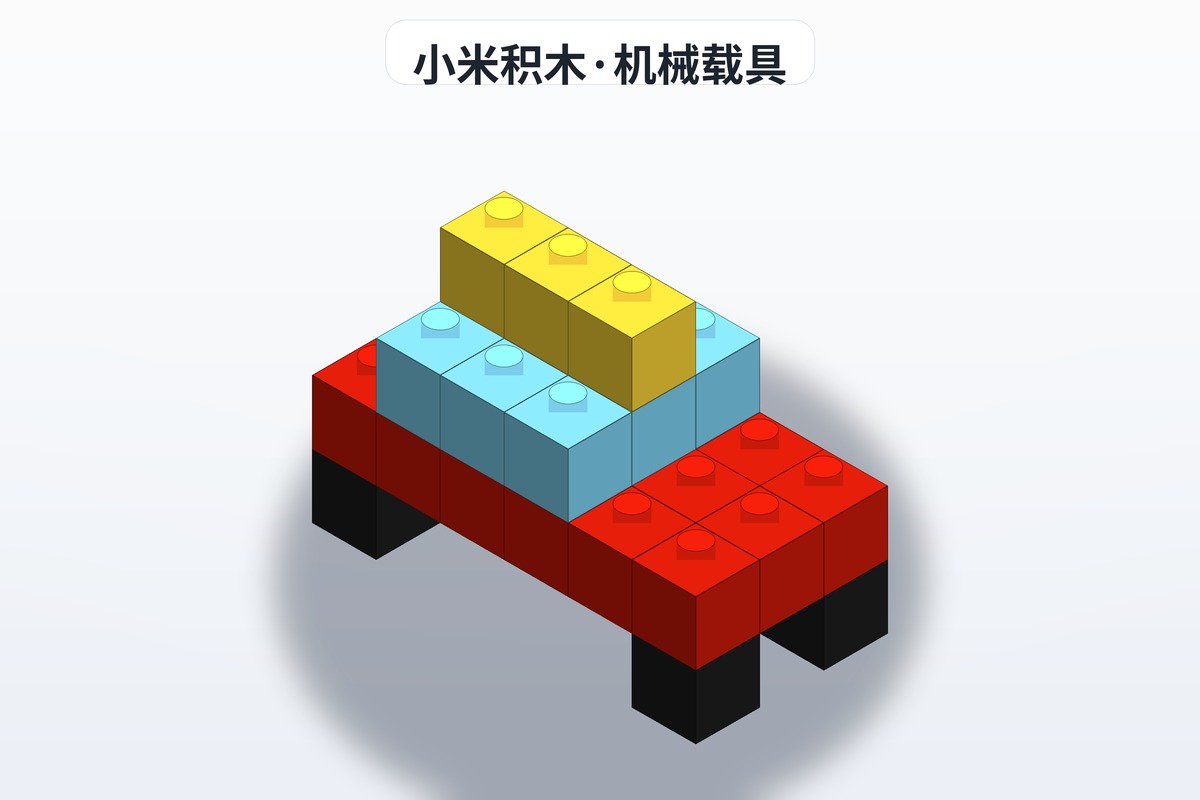
"So what do I actually buy for my first set?" It is the question that trips up almost every new builder. Over the past couple of years Xiaomi brick has become the entry point for a lot of people, thanks to friendly pricing and a build experience that holds up. This beginner guide sorts the options by part difficulty and play value so you can skip the research spiral and just pick one.
1. Why Xiaomi Brick Suits New Builders
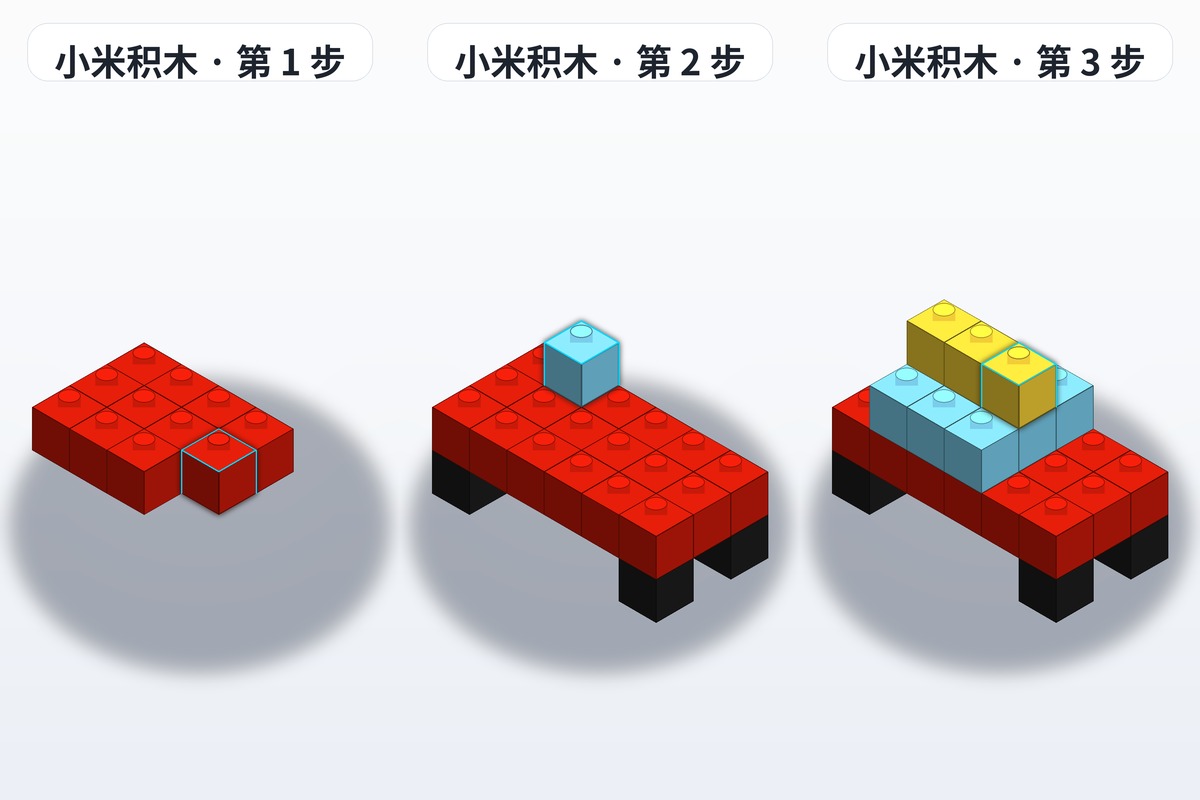
Before getting into specific recommendations, it helps to know where Xiaomi brick actually earns its reputation. The most obvious point is part quality: the moulding is accurate and the clutch is smooth, so you are not going to hit that awkward moment halfway through the build where a piece simply refuses to press down. The instructions are forgiving too. Steps are broken down into small increments, so someone who has never snapped two bricks together can still follow the booklet from cover to cover without getting lost.
Price is the other factor. Xiaomi keeps its sets affordable, which matters a lot for a first purchase. If the theme turns out not to be your thing, you have not sunk a serious amount of money into a shelf ornament.
2. The Xiaomi Robot Line: The Most Interactive Place to Start
If you want one standout pick from this whole list, it is the Xiaomi robot sets. These builds finish with motorised movement, remote control, and in some cases programming functions, which pushes the play value far beyond a static model. For a newcomer, the appeal is obvious: you spend an evening building, and then the thing actually moves. The build-then-play loop is where this line is strongest.
Robot sets in the range typically use a modular layout, with motors, gears and tracks laid out so the drivetrain is easy to see. That is genuinely useful for a beginner, because you get a direct, hands-on look at how a mechanism transfers motion while you are putting it together. You learn something about how gears mesh without ever feeling like you are studying.
3. Vehicle and Engineering Sets: A Good Step Up
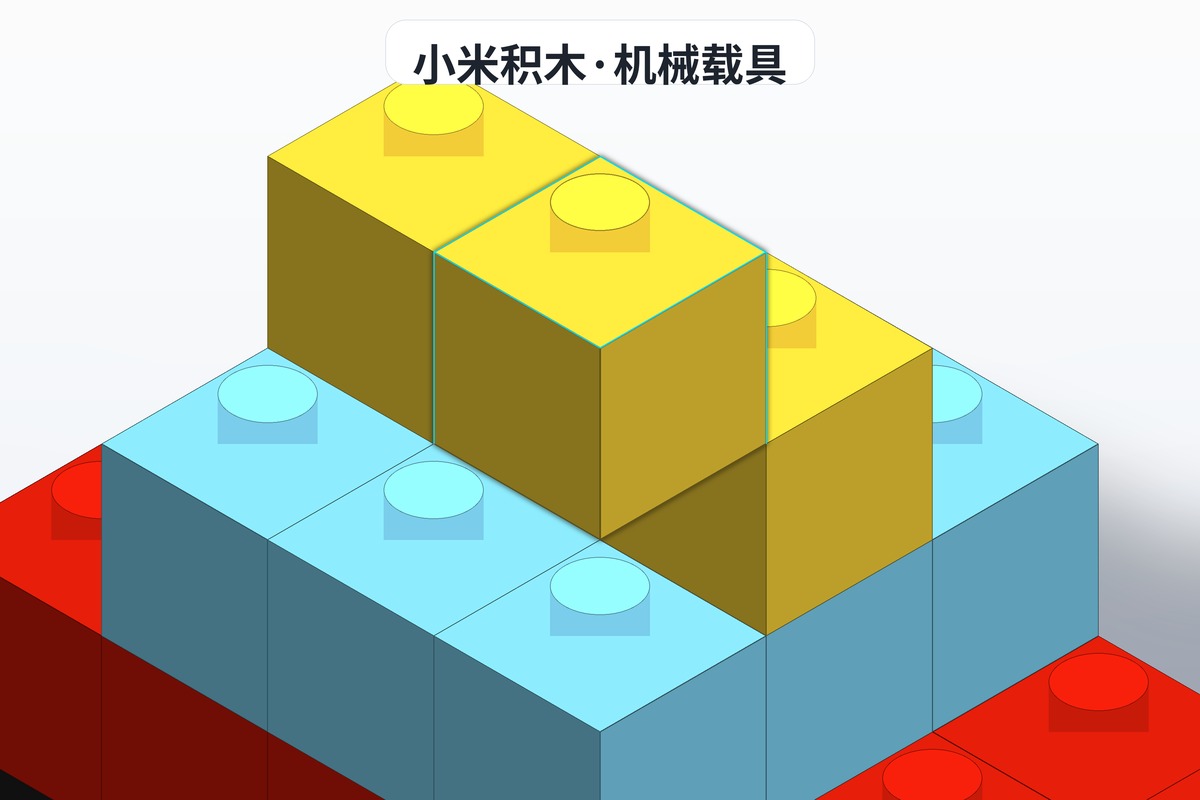
If your interest leans more toward display models or the building process itself, vehicle sets and engineering machinery deserve a place on your shortlist. These sets sit in a comfortable middle ground: a moderate part count and largely symmetrical structures, with difficulty that ramps up gradually rather than all at once. That makes them good practice for judging symmetry and keeping a structure stable as it grows.
There is a bonus after the last brick goes on. A finished vehicle or excavator works as a display piece as much as a toy, so it earns its space on a shelf instead of disappearing into a storage bin.
4. Choosing Brick Count and Difficulty
A question that comes up constantly is whether more bricks automatically means a better set. It does not. For a genuine beginner, starting somewhere in the few-hundred-piece range is the smarter move: you build confidence, get familiar with the common part types, and learn how a build is sequenced. From there you can work up to the four-figure part counts with a much better idea of what you are signing up for.
Xiaomi prints the recommended age and the brick count on the box, so use those two numbers as your baseline. Then weigh them against your own patience and how much hands-on experience you already have. A large set that stalls out at bag three teaches you nothing; a smaller one you finish in two evenings does.
5. Three Checks Before You Pay
Keep three things in mind when you are ready to buy. First, stick to official channels or a reputable retailer so you can be confident the parts are all there. Second, check whether the set includes motorised components and a proper instruction booklet, since that has a direct bearing on whether the price is worth it. Third, pick a subject you genuinely like. A theme you are excited about is the one you will actually finish.
The short version of this whole guide: start easy, scale up when you are ready. The interactive Xiaomi robot sets and the classic vehicle builds are both worth a first attempt. When you have finished that first set and want to try something more ambitious, head to https://brickplan.cn for instructions and builds from other fans, which should keep you supplied with ideas for a while.
Two practical habits are worth adopting early. Sort the parts by colour before you start, which saves a surprising amount of digging later. And photograph a finished model before you take it apart, then store the parts sorted by type so the next build can draw on them directly.
One last word of advice: do not rush to buy the biggest set as your opener. Build a small one first to get a feel for the process, and let that tell you how many parts you want to take on next time.