LEGO Display Cases and Storage: Sizing by Piece Count
Measure the finished build first. Under 800 pieces fits a 25–30 cm case, 800–1,500 needs 35–45 cm, and anything above 1,500 should be measured for a custom build. Acrylic covers most shelves; anything near a window needs UV filtering.
Sizing by piece count
Suggested inner size 25×20×20 cm
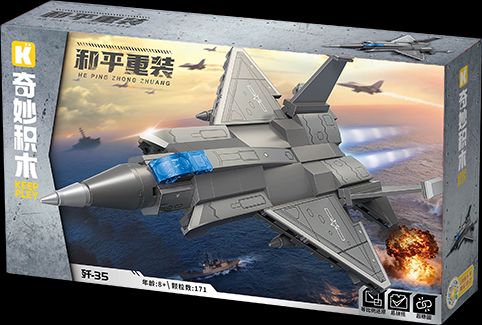 J-35 (Qiji 25011-1)171 pieces
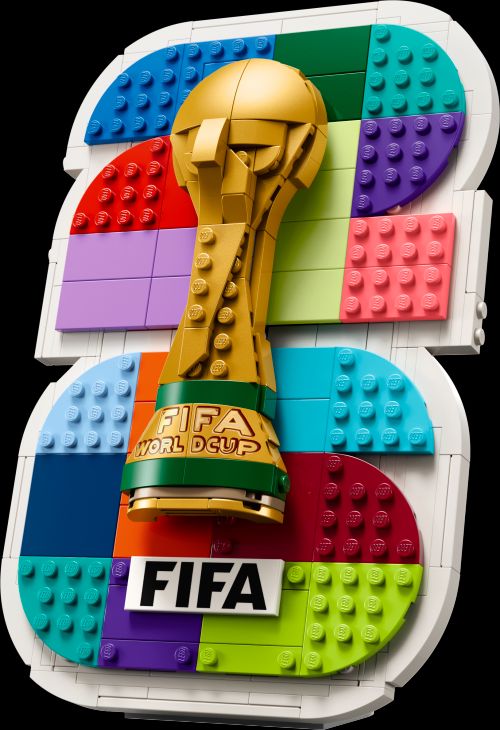 FIFA World Cup 2026™ Official Emblem (LEGO 43032)298 pieces
 Halloween Skeleton Candle (LEGO 40883)204 pieces
Suggested inner size 30×25×25 cm
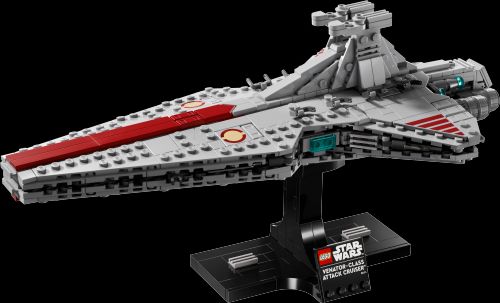 Acclamator-Class Assault Cruiser™ (LEGO 75441)643 pieces
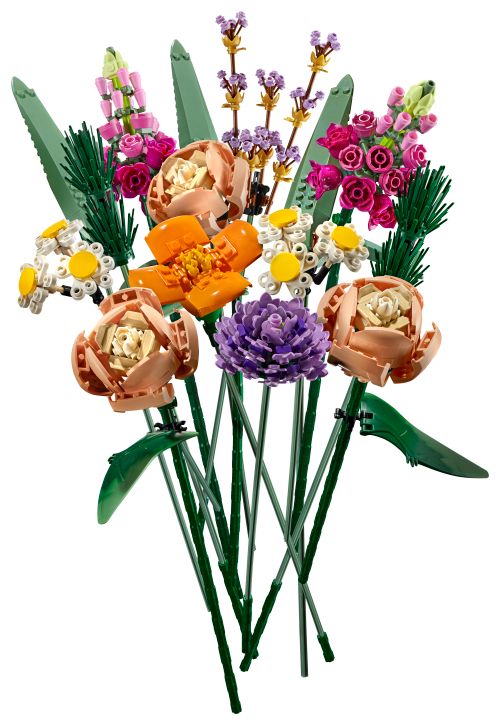 Flower Bouquet (LEGO 10280)756 pieces
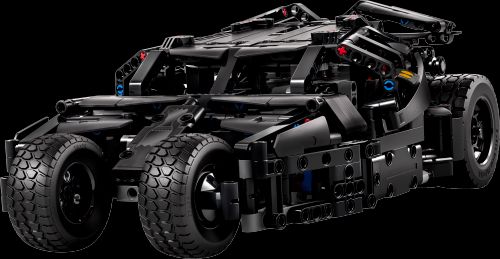 Batmobile Tumbler (LEGO 42239)719 pieces
Suggested inner size 40×30×30 cm
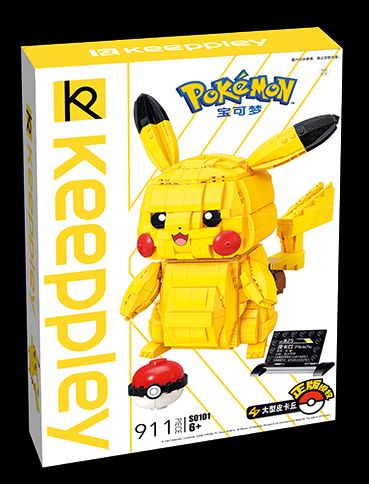 Large Pikachu (Qiji S0101)911 pieces
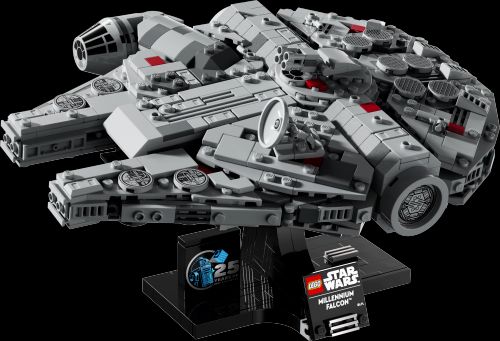 Millennium Falcon Starship (LEGO 75375)921 pieces
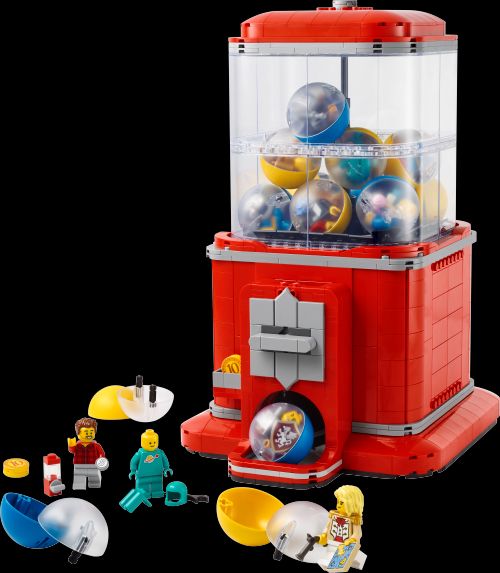 Minifigure Gumball Machine (LEGO 21358)1343 pieces
Suggested inner size Custom, measured
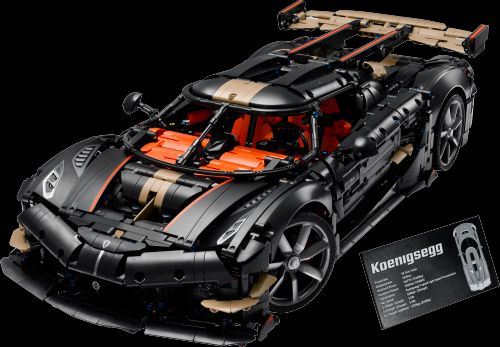 Koenigsegg Sadair Spear Supercar (LEGO 42232)4104 pieces
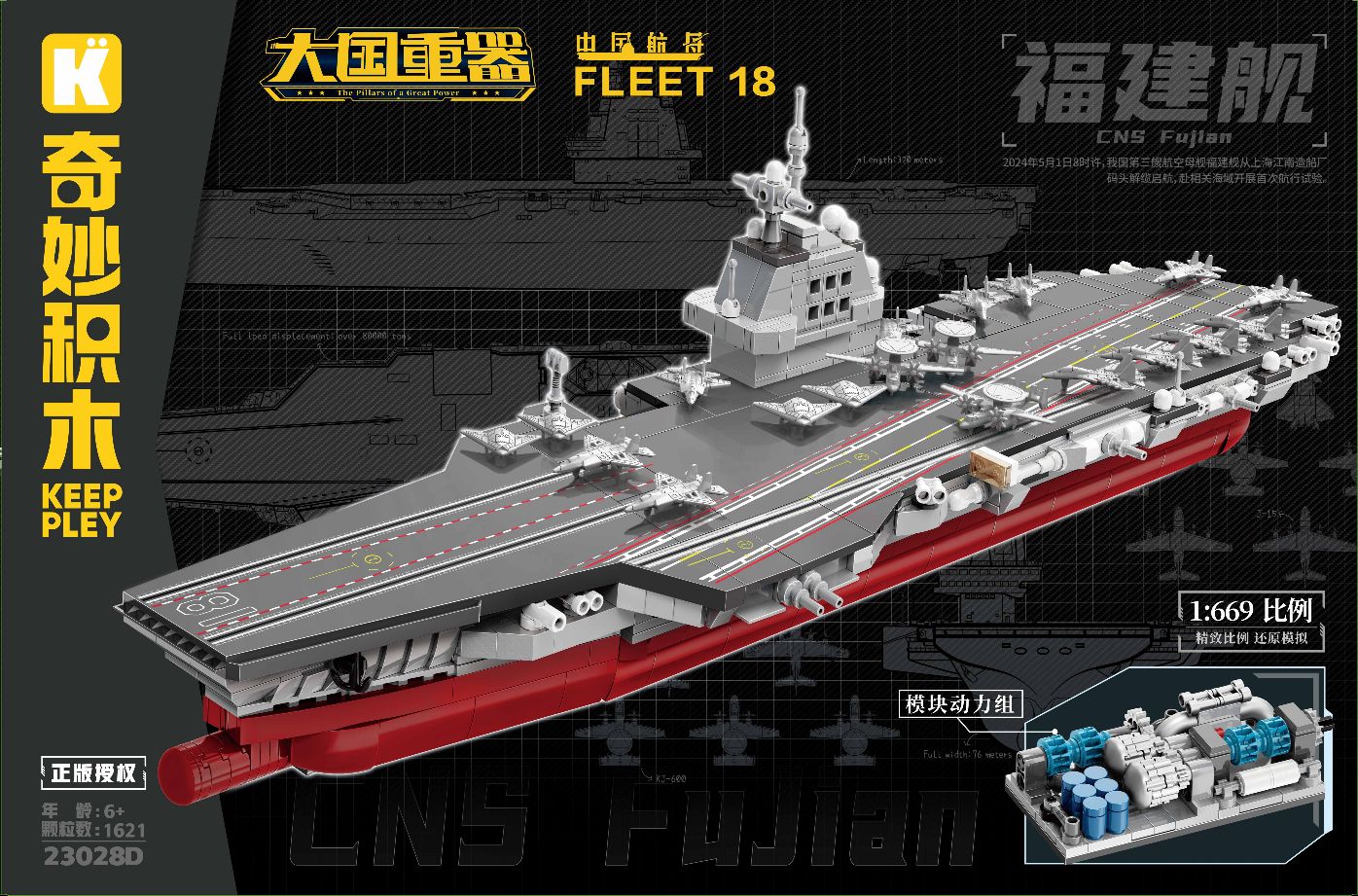 Fujian Aircraft Carrier (Qiji 23028D)1621 pieces
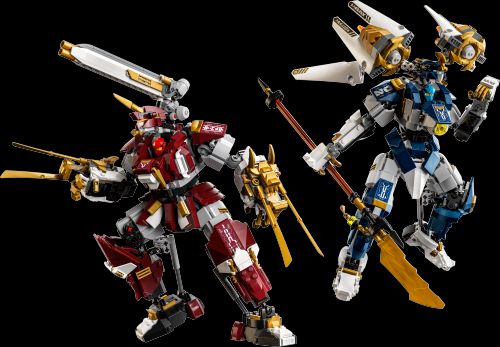 Ninja Twin Titan Mech (LEGO 71870)1707 pieces
Material comparison
| Material | Clarity | UV blocking | Load bearing | Price | Best for |
|---|---|---|---|---|---|
| Acrylic | High | Only coated grades | Moderate | Medium | Desks, shelves |
| Glass | Highest | Not in standard glass | Good | Higher | Long-term display |
| Wood frame + glass door | Medium | Depends on the glass | Good | High | Full cabinets |
| Fabric dust cover | Low | None | None | Low | Temporary cover, moving |
Display tips by set type
Vertical builds (carriers, ships, mechs)
Case height follows the tallest point: measure from the antenna or barrel, then add at least 3 cm of inner clearance. The centre of gravity sits high, so put a non-slip pad under the case and never stack another case on top of it.
Representative sets: Fujian Aircraft Carrier (Qiji 23028D), Ninja Twin Titan Mech (LEGO 71870)
Wide vehicles (supercars, trucks)
Vehicles are far longer than they are wide: size the case by length first, then leave 2 cm on each side so mirrors and wings do not press against the walls. Resting on the wheels is steadier than a raised stand and will not deform the suspension over time.
Representative sets: Koenigsegg Sadair Spear Supercar (LEGO 42232), Custom Ford Mustang GT Race Car (LEGO 42236)
Modular rows (several buildings, one case)
Seams never line up once two or more buildings sit side by side, and separate cases make the misalignment obvious. One long case covers the whole row: cheaper than several small cases and it reads as a single street.
Representative sets: Notre-Dame de Paris (LEGO 21061), Neuschwanstein Castle (LEGO 21063)
Minifigure walls (divided trays)
Sort minifigures by series, one per compartment; 5 cm of inner width fits nearly every standard figure. Figures with baseplates stand on their own, the rest need a clear clip or a dot of removable adhesive — never stack them.
Representative sets: Minifigure Gumball Machine (LEGO 21358), Up-Scaled LEGO® Minifigure (LEGO 40649)
Common misconceptions
- Bigger is better — An oversized case lets the model slide, and a sliding model sheds parts. A snug fit beats spare room.
- Ignoring UV — White and light grey parts yellow irreversibly within a year near a window, and standard acrylic and glass do not block UV at all.
- Stacking without checking load — Three or more acrylic cases slowly deform the bottom one. Heavy cases belong at the bottom, and a tall stack needs a shelf, not a case.
- Buying the case before building — Packaging dimensions have little to do with the finished model. Build it, measure it, then buy.
FAQ
Does IKEA sell LEGO display cases?
Not purpose-built ones. Glass-door cabinets and storage boxes work, but the dimensions rarely match large sets, so you usually add risers or padding.
Acrylic or glass?
Acrylic if budget matters: lighter, shatter-resistant, cheaper. Glass if you want a decade without scratches. Neither blocks UV in its standard form.
How do I display very large sets?
Anything over roughly 50 cm will not match an off-the-shelf case. Measure and order custom, or use an open cabinet with an acrylic front panel.
What does a case cost?
Small cases run to tens of yuan, medium and large ones to one or two hundred, custom sizes usually above three hundred depending on thickness and UV coating.
How do I display minifigures?
Divided trays, one figure per compartment, sorted by series; figures with baseplates can stand directly in the compartments.
Where should the case go?
Out of direct sun, away from air-conditioning outlets, above-floor heating, and anywhere humidity swings.
Can a built model stay in a case long term?
Yes, but air it periodically. Fully sealed cases trap moisture, which is a bigger risk than dust, especially in humid seasons.
How do I move a collection?
Cases are not designed for transport. Pack the model separately with bubble wrap and dismantle the case flat.
Do I need UV protection?
Yes. White and light grey parts yellow irreversibly within a year near a window, and standard acrylic and glass do not block UV.
How do I display several modular buildings?
Cover them with one long case rather than one per building; separate cases never line up and the seams look worse.
Should I add a desiccant pack?
In humid regions yes, especially for well-sealed cases that are rarely opened. In dry regions it is unnecessary.
How do I replace missing parts or a lost manual?
Request spares using the set number and the inventory on the manual's last page. For a lost manual, recover the original PDF by brand and set number — see how to read LEGO instructions.