Are Chinese Bricks Compatible With LEGO? Parts Guide
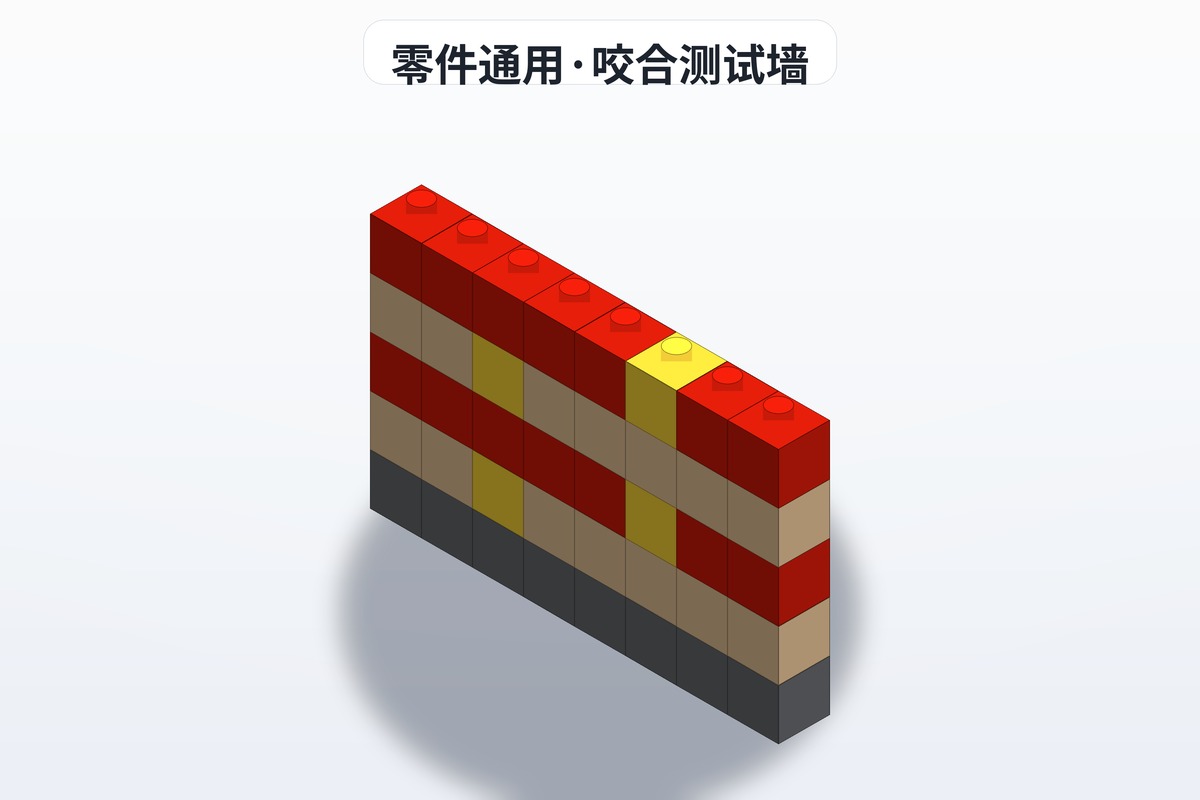
Can you use Chinese-made bricks and LEGO parts together? It is the first question almost every new builder asks. The short answer: in the vast majority of cases, yes — but the details differ. Below we break down where the gaps actually are across four areas: dimensional tolerance, material and feel, clutch power, and how to mix the two.
Dimensional Tolerance: The Core of Compatibility
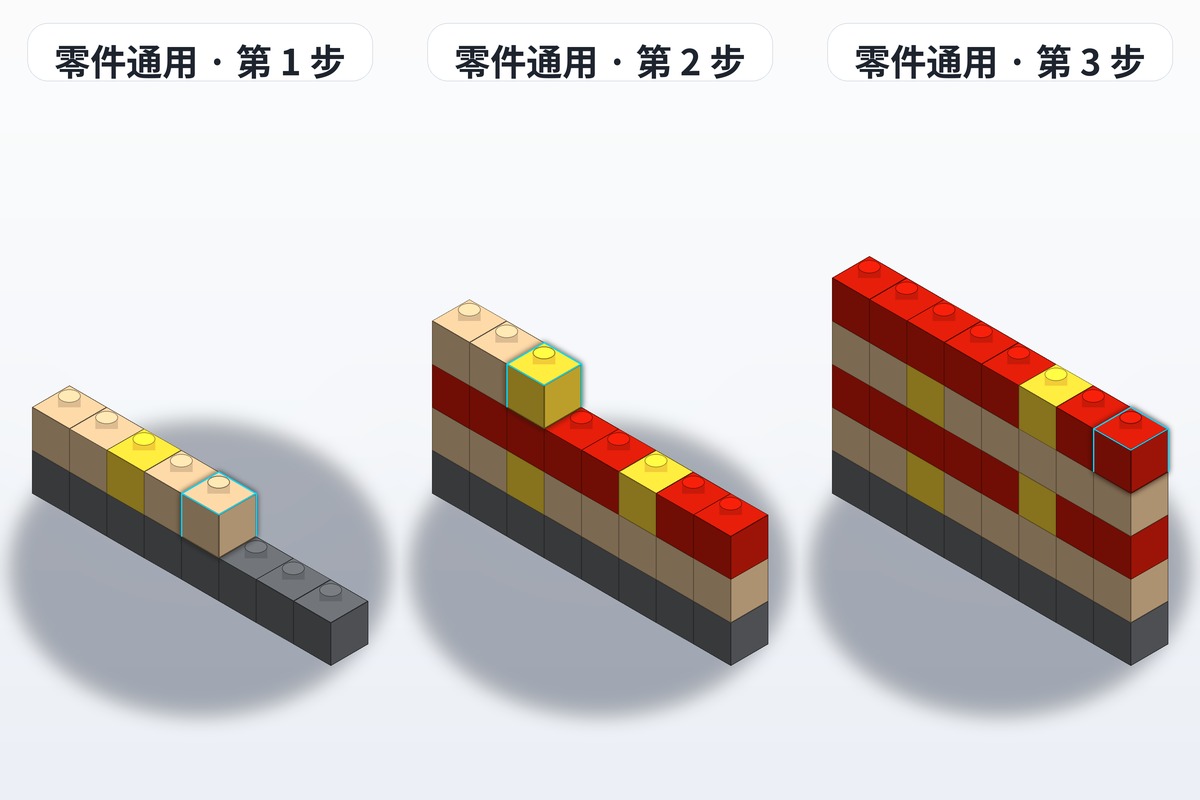
LEGO works to a strict millimetre-level standard, with precisely controlled tolerances on its basic unit dimensions and stud spacing. Chinese manufacturers now generally design their moulds against the LEGO baseline, and parts from mainstream brands (SEMBO, Mould King, Double Eagle and others) will click onto LEGO without trouble. Looked at purely as dimensions, most standard bricks, plates, slopes and basic elements are compatible.
That said, mould precision at some budget brands falls short, and that shows up as differences in tightness. Some parts are so tight that pushing them in and pulling them apart takes real force; others are loose enough that the structure wobbles. Compatibility is therefore good overall, but quality varies widely from brand to brand — and sometimes from batch to batch within the same brand.
Material and Feel: Differences You Can See
LEGO uses ABS plastic with a fine surface gloss and saturated colour. Chinese bricks mostly use ABS as well, but some brands blend in regrind material, which dulls the colour and can leave flow lines or sink marks on the surface. In the hand, LEGO parts feel smooth and press down with even force; Chinese parts occasionally arrive with burrs or flash along the edges that need trimming before they seat perfectly. For most builds this is cosmetic, but on visible surfaces — tiles and curved slopes especially — the difference is easy to spot next to genuine parts.
Clutch Power: The Key to Structural Stability
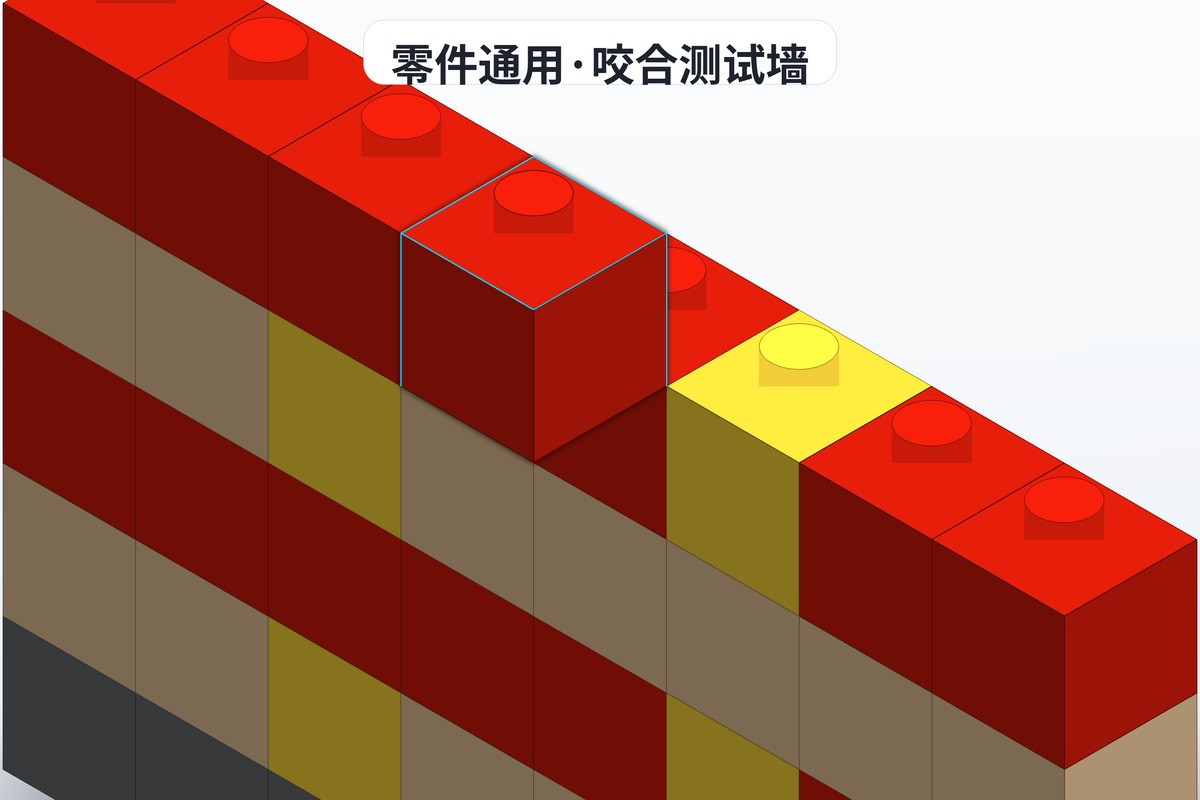
Even when the dimensions match, clutch power is not identical. LEGO's grip has been tested extensively: moderate tightness, and long life. Among Chinese brands, some deliberately mould parts on the tight side to compensate for poorer precision. The build holds firm, but repeated assembly and disassembly wears the studs down, and once a stud has been stretched or flattened it never grips the same way again. So the decision depends on what you do with your models: if you plan to take them apart, rebuild and modify them often, LEGO gives the better experience; if the model is going on a shelf and staying there, Chinese parts are entirely adequate.
Mixing Advice: Play to Each Side's Strengths
Since the answer to are Chinese bricks and LEGO parts compatible is yes, the practical question is how to mix them most economically. A few rules that work:
- LEGO for structure, Chinese brands for appearance: use LEGO at load-bearing points and critical connections to guarantee stability, and let decorative parts come from Chinese brands to keep the cost down.
- Watch out for special elements: gears, hinges and motors are mostly compatible, but axle diameters and connection points can differ slightly — test a few before you commit to a large order.
- Prefer well-known Chinese brands: large manufacturers' mould precision sits closer to LEGO, and the mixing experience is correspondingly better.
Keep those three points in mind and a mixed parts bin stops being a risk and starts being an advantage — you buy the expensive, high-stress pieces once and fill out the rest of the model cheaply.
Wrapping Up
Back to the question: are Chinese bricks and LEGO parts interchangeable? Yes — overall compatibility is solid. Dimensions largely line up, while material, feel and clutch power each vary. If your budget is limited and you want to grow your parts library, Chinese parts offer clear value for money; if you demand maximum structural reliability and hand feel, LEGO remains the benchmark. Knowing how to mix the two is how you build the model you want for the least money.