How to Start Building MOC Brick Models: A Beginner's Guide
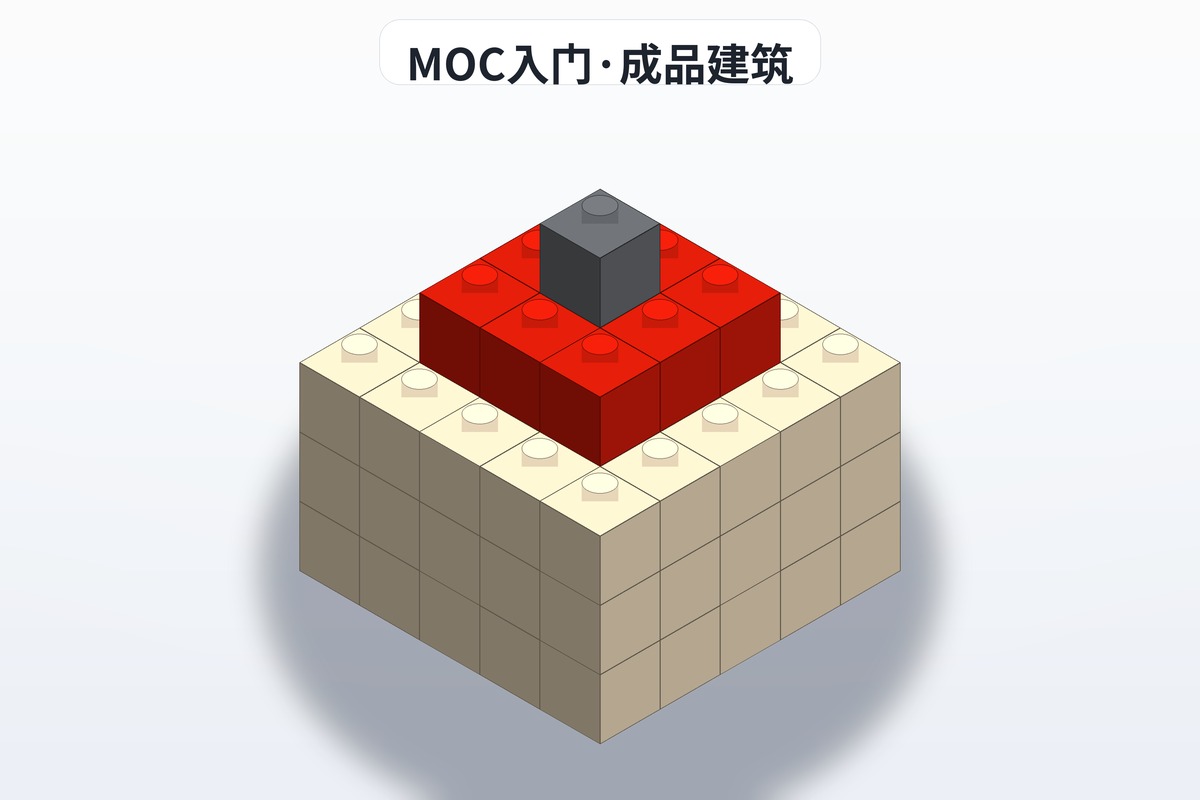
"I can barely finish a set — how am I supposed to design my own?" It's the question beginners ask most. Honestly, MOC isn't magic: it's taking bricks and building the thing in your head, which is not fundamentally different from drawing a picture. This guide walks the whole path of starting with MOC building — choosing parts, copying instructions, and releasing your first independent model.
What Is a MOC, and Why Should You Try It?
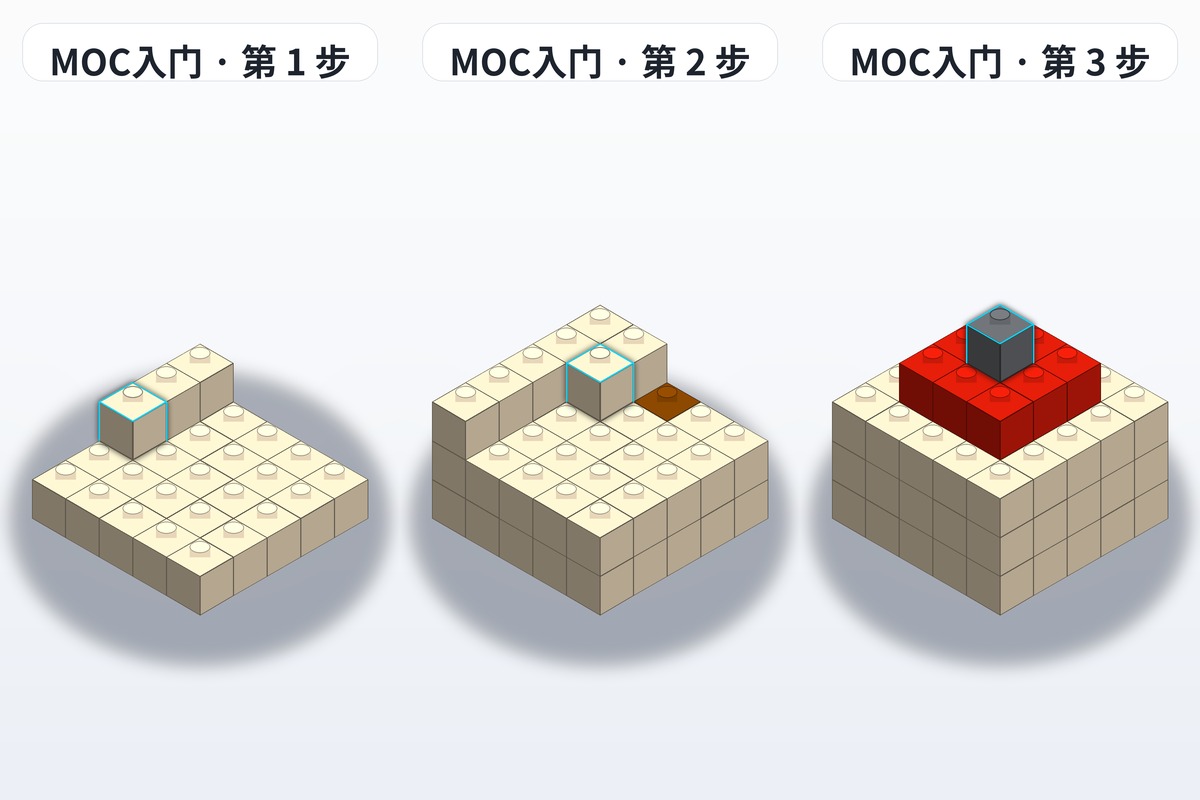
The biggest difference between a MOC and an official set: a set is a fill-in-the-blank exercise someone else designed, while a MOC is an open question you answer yourself. Official sets teach you building techniques, but the real creative pleasure comes from MOC — when a pile of loose parts becomes a one-of-a-kind model, no set can match that feeling.
For beginners, the goal isn't pulling off a masterpiece on day one; it's enjoying the process of creating from nothing. Even a simple animal or a tiny house counts as a successful MOC as long as you built it yourself.
Step 1: Stock Basic Parts
The starter parts list
The first question every beginner asks is "which parts should I buy?" You don't need a huge stockpile. This list gets you moving:
- Bricks: 2x4, 2x2, 1x2 and 1x1 in several colors — the actual building material
- Plates: 2x4, 2x2, 1x2, 1x1, for fine adjustments and wall surfacing
- Slopes: 2x1 and 3x1 slopes, for roofs and streamlined shapes
- Tiles: 1x1, 1x2, 2x2, for smooth surfaces and decoration
- Specialty parts: wheels, windows, doors, plant elements — add these based on what you want to build
Rather than buying in bulk, pick a theme first and buy parts for it. Most instructions on BrickPlans include a parts list, and buying to that list is the most economical route.
How many parts do you need?
200-500 parts is plenty for a small first model. Don't chase quantity — build small well, then scale up.
Step 2: Pick the Right Tools
Essential tools
- Brick separator: the orange official separator is the most practical tool around; it saves your fingers and protects parts when disassembling
- Sorting box: a simple multi-compartment storage box noticeably speeds up building
Advanced tools
- Digital design software: Bricklink Studio 2.0 or LEGO Digital Designer let you design on screen before you build, cutting trial-and-error costs dramatically
- Vernier caliper: for MOCs that need precise dimensions, a caliper helps you measure the clearance between parts
Step 3: Start by Copying — Find Good Instructions
Why start with imitation?
Every MOC designer started by copying. The answer to how to start MOC building is: copy first, create later. Copying other people's designs teaches you:
- how different parts work and what they're good for
- the logic and technique of structural building
- the rules of color matching and the experience behind them
Where to find instructions
BrickPlans is one of the best MOC instruction communities, with a large library of free and paid high-quality instructions covering architecture, vehicles, mecha, animals and more. Each one comes with a detailed parts list and build steps, ideal for beginners to study and follow.
International platforms such as Bricklink and Rebrickable also host huge instruction libraries, though the all-English interface can be a barrier for some newcomers. BrickPlans' Chinese-language interface and community atmosphere are friendlier for builders based in China.
Step 4: Build Something — Start With Simple Subjects
Good first themes
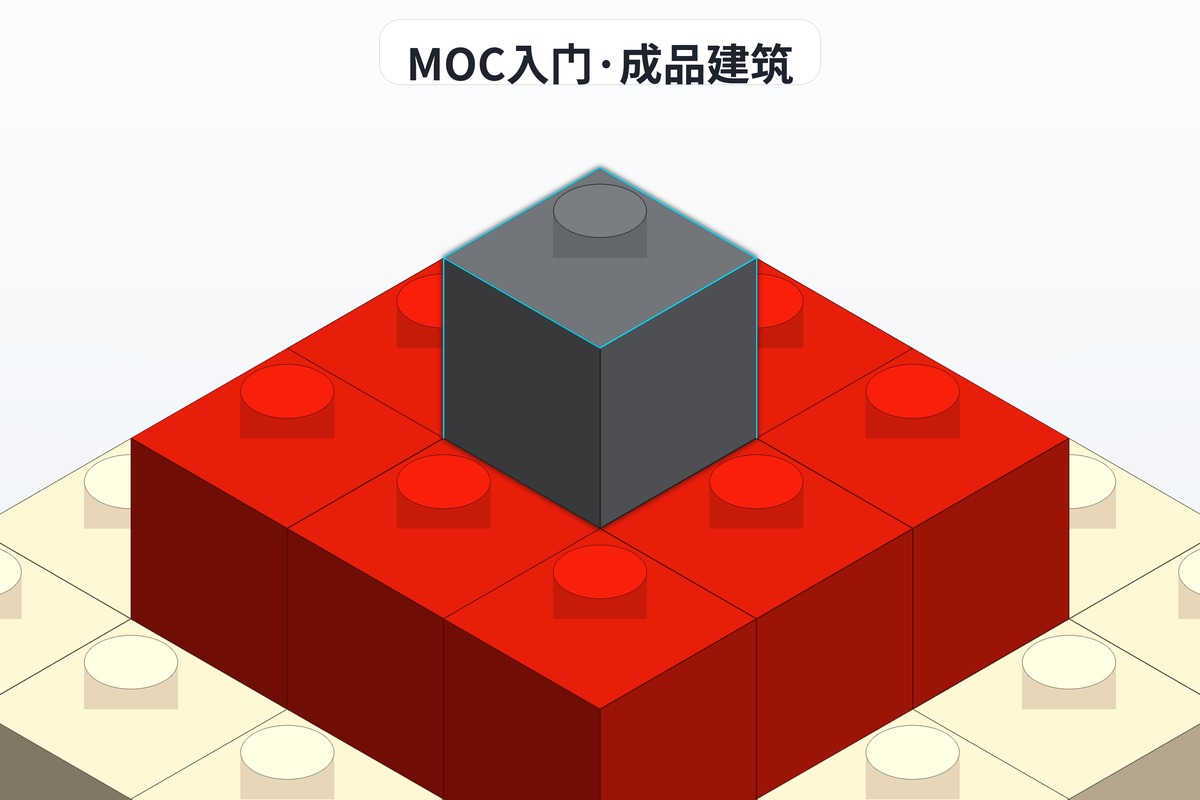
- Mini architecture: a 20x20 stud house needs only 100-200 parts
- Small animals: a bird, dog or cat — simple shapes, few parts
- Vehicles: a micro car lets you practice wheel mounting and chassis structure
- Plants: a tree or a clump of flowers, practice using irregular parts to mimic natural forms
The building process
- Choose a subject: decide what you want to build
- Gather inspiration: look at photos and instructions of similar builds
- Sketch it: draw the rough shape and dimensions on paper
- Build in stages: start with the main structure, add details gradually
- Revise: if you don't like it, take it apart and start again — that's normal for MOC work
One key idea in MOC building: there are no failed builds, only unfinished ones. Teardown and rebuild isn't failure; it's progress.
Step 5: Join a Community and Get Feedback
Why you need a community
MOC is solitary making but a social hobby. A community gives you:
- feedback and suggestions from other builders
- more great builds to draw inspiration from
- themed challenges that spark motivation
- answers to technical problems mid-build
Beyond downloading instructions, the community is where people actually improve: post builds, ask questions, enter themed challenges. For beginners, one pointer from someone else beats three days of guessing alone.
FAQ
Q: Do I have to use genuine bricks for a MOC? A: No. Many Chinese brands' parts are now quite good and compatible. Which brand you choose depends on your budget and how demanding you are about quality.
Q: What if I can't build anything without instructions? A: That's completely normal. Practice with other people's instructions first and gradually understand the building logic; try original design once you've built up some experience.
Q: How long does one MOC take? A: For beginners, a small build of 100-200 parts usually takes 2-4 hours. Building gets faster as you gain experience.
Q: What if I don't have enough parts? A: Every MOC builder runs into this. Disassemble sets you don't display often to top up your parts, or buy individual parts for the specific gap.
Your First Build Can Start Tonight
How to start MOC building comes down to three steps: stock parts, copy, then design on your own. Don't expect the first build to be perfect — the real payoff is the "so that's why it's built this way" moments along the road.
Don't just read: go to brickplan, pick a beginner instruction set, and open a box tonight. Post the result in the community — one piece of advice from another builder is often more useful than a tutorial.